
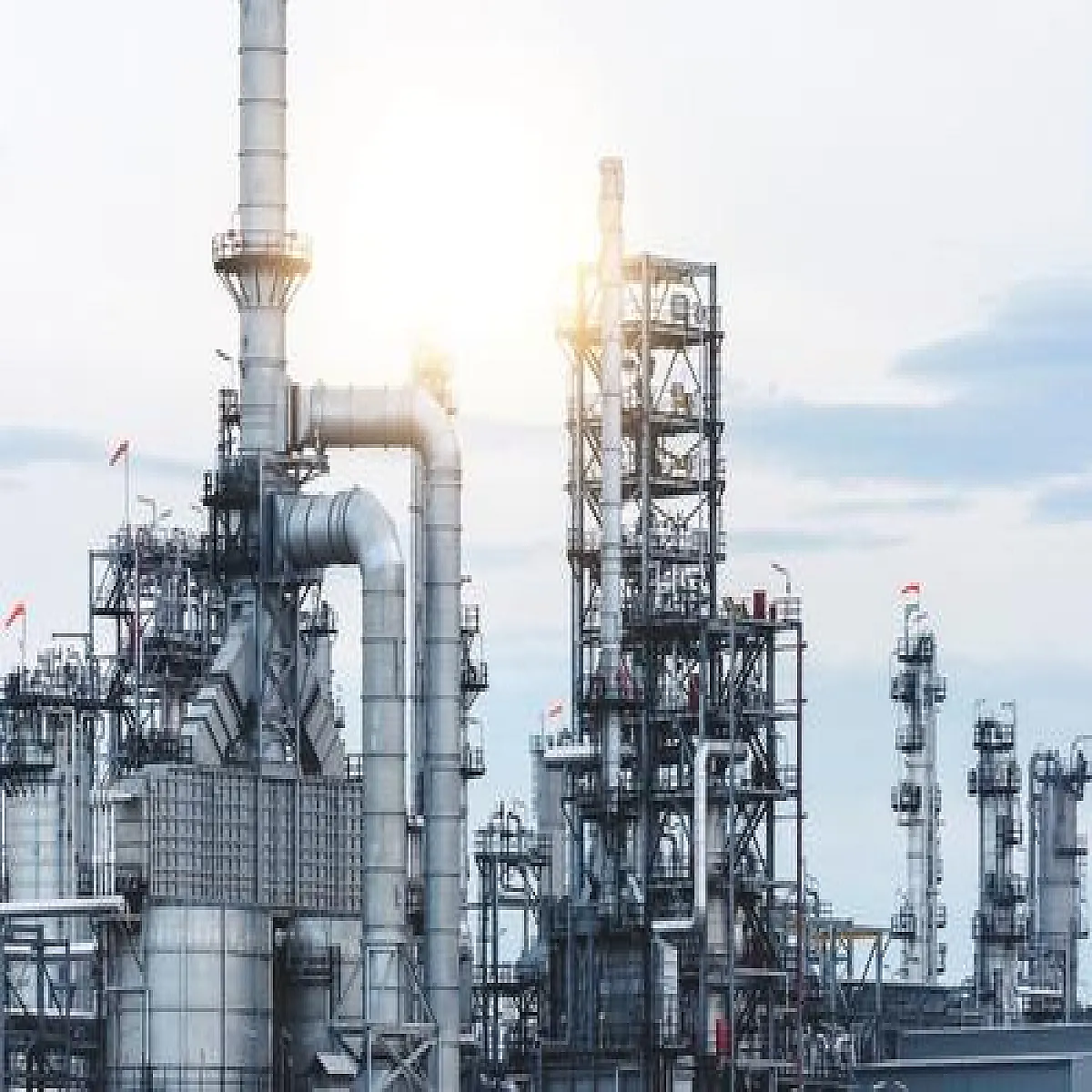
Aspen HYSYS Process Modelling
A process simulation is only as useful as the engineer's confidence in it: the wrong property package, a poorly characterised oil or a column that will not converge can lead to costly design and operating decisions. This programme gives process engineers practical skill in building, converging, troubleshooting and using steady-state Aspen HYSYS models for gas processing, oil separation and utility systems.
 10 - 14 January 2027
 Muscat
 5 Days
 USD 4,300
Engineers often learn Aspen HYSYS by trial and error. They can place unit operations on a flowsheet, but struggle with the decisions that make a model trustworthy: choosing a thermodynamic method, characterising crude or condensate from limited assay data, specifying columns so that they converge, and checking results against plant data or vendor information. The result is models that are slow to build, hard to hand over and easy to misuse in design reviews or optimisation studies.
This programme builds skill in the order an engineer needs it on a real project. It moves from setting up the simulation basis correctly, through building and converging gas processing and separation flowsheets, to columns, heat exchangers and compression, and finally to optimisation, troubleshooting and reporting. Each exercise extends the previous one, so participants finish with a connected model rather than a set of separate examples.
Built on recognised practice. The programme references established thermodynamic methods such as the Peng-Robinson and Soave-Redlich-Kwong equations of state and activity coefficient models for polar systems, oil characterisation methods of the type set out in the API Technical Data Book, and gas processing practice described in the GPSA Engineering Data Book. Participants learn why a method is appropriate, not only where to click.
Decisions this programme improves. Which property package suits a given fluid and operating range; how much confidence to place in a characterised oil; how to specify and converge a distillation or absorption column; whether a heat exchanger model is fit for rating or only for design; which variables to adjust in a case study; and when a simulation result needs checking before it informs an investment or operating decision.
How it is delivered. Twenty hours across five sessions, built around one running case: a gas plant that receives well fluids, separates oil and gas, dehydrates and chills the gas, recovers NGL through fractionation and compresses the sales gas. Participants build, converge and optimise the model in Aspen HYSYS and need access to a licensed installation.
In-house option. For organisations, the programme can be tailored to your own facilities, fluids, design basis and company modelling standards, for example using a simplified version of one of your plants, and delivered to process and operations engineers together so that models are built and reviewed the same way.
Who Should Attend
Objectives
Course Outline
Competencies
Muscat

Related Topics
To provide participants with the essential skills and strategies for preparing, planning, and executing impactful media campaigns tailored to the unique needs of the oil and gas industry, enhancing brand image, public perception, and stakeholder engagement.
 Kuala Lumpur
 29 November 03 December 2026
The aim of this course is to provide participants with comprehensive knowledge and skills needed to effectively manage contracts within the oil and gas industry.
London30 November 04 December 2026Commercial, planning and marketing decisions in oil and gas depend on data about supply, demand, prices, reserves and competitors, yet teams often rely on a few familiar sources without checking definitions, timing or reliability. This programme gives practitioners a structured way to find, evaluate, combine and present oil and gas data so that market intelligence supports sound decisions.
Live Online27 - 31 December 2026