

Effective Committee and Meeting Management
Committees and meetings consume senior time, yet many end without clear decisions, owners or records that would stand up to review. This programme gives committee secretaries, coordinators and chairs the practical skills to plan meetings, manage discussion, record decisions accurately and follow actions through to completion.
 20 - 24 December 2026
 Amsterdam
 5 Days
 USD 5,500
In ministries, public bodies and large companies, much of the real decision-making happens in committees and management meetings. Common problems are easy to recognise: agendas circulated late, papers that describe rather than recommend, discussions that drift, decisions that are unclear or not recorded, minutes that take weeks to approve, and actions that are never followed up. Committees multiply, their mandates overlap, and nobody reviews whether they still add value.
This programme covers the full meeting cycle. It moves through five stages: setting up committees with a clear mandate, preparing agendas and papers, running the meeting and managing participation, recording decisions and minutes, and tracking actions and reviewing committee effectiveness.
Built on recognised practice. The programme references widely used governance and procedure sources, including the G20/OECD Principles of Corporate Governance, ISO 37000 guidance on the governance of organisations, and Robert's Rules of Order Newly Revised as a reference for formal meeting procedure. They are adapted to the practice of government and corporate committees in the region.
Decisions this programme improves. Whether a meeting or committee is needed at all; what goes on the agenda and in what order; what a paper must contain before it is accepted; how to handle conflicts of interest, quorum and voting; what level of detail to record in minutes; and how to escalate overdue actions.
How it is delivered. Twenty hours across five sessions, built around one running case: a management committee preparing and holding a meeting on a contested project decision. Participants draft terms of reference, build an agenda and paper template, take part in a simulated meeting, write the minutes and design an action tracker.
In-house option. For organisations, the programme can be tailored to your own committee structure, delegation of authority, templates and meeting management system, and delivered to secretaries, coordinators and chairs together.
Who Should Attend
Objectives
Course Outline
Competencies
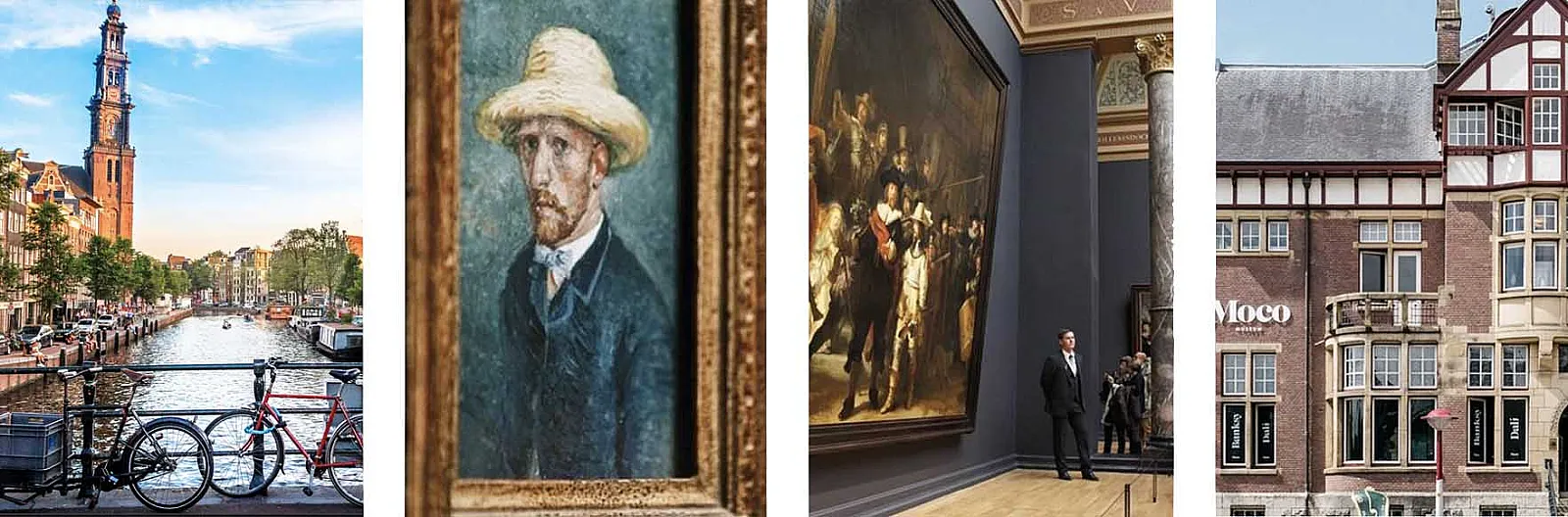
Amsterdam
Related Topics
Unclear emails, meetings that end without decisions and conversations that damage working relationships cost organisations time and trust every day. This programme gives professionals practical tools to communicate clearly in writing and in person, listen and question well, speak with confidence on the spot, and handle difficult conversations with colleagues, managers and clients.
 Kuala Lumpur
 22 - 26 November 2026
To provide participants with the advanced knowledge, skills, and best practices for effective document management control and security, enabling them to protect sensitive information, ensure compliance with relevant regulations and standards, and improve overall organizational efficiency.
Dubai23 - 27 November 2026Data, reports and presentations often fail to persuade because they give information without meaning. Audiences forget slides but remember stories. This programme gives professionals and managers a practical method to find, structure and tell business stories that explain complex ideas, win support for proposals and engage teams, clients and stakeholders.
London29 November 03 December 2026