

Environmental Benchmarking
Environmental data only helps decisions when it can be compared: against the past, against targets and against peers. Many organisations report absolute numbers that cannot be compared and choose peer groups that flatter them. This programme gives practitioners a disciplined method to build environmental indicators, normalise data and benchmark performance credibly.
 04 - 08 October 2026
 Amsterdam
 5 Days
 USD 5,500
Organisations collect more environmental data than ever for regulators, investors and sustainability reports, yet struggle to say whether their performance is good. Indicators change from year to year, boundaries are inconsistent, data from different sites is not comparable and external benchmarks are taken from sources with different methods. Management cannot see where to act, and stakeholders question the claims.
This programme follows the benchmarking process. It starts with choosing what to measure, builds reliable indicators and normalised data, selects internal and external comparators, analyses gaps and their causes, and turns findings into targets, improvement actions and credible reporting.
Built on recognised practice. The programme references ISO 14031 for environmental performance evaluation, ISO 14001 for environmental management systems, the GHG Protocol and ISO 14064-1 for greenhouse gas accounting, and the GRI Standards for environmental disclosures. It also covers the benchmarking cycle used in quality and operations management.
Decisions this programme improves. Which indicators to track, how to normalise data so comparisons are fair, which peers and sources to use, whether a performance gap is real or a data artefact, which sites or processes to prioritise and what targets are credible.
How it is delivered. Twenty hours across five sessions, built around one running case: a multi-site organisation comparing energy, water, waste and emissions performance across its sites and against sector data. Exercises use spreadsheet tools for normalisation, gap analysis and simple visualisation.
In-house option. For organisations, the programme can be tailored to your sector, sites and existing environmental data, and can produce an initial benchmarking framework for your organisation.
Who Should Attend
Objectives
Course Outline
Competencies
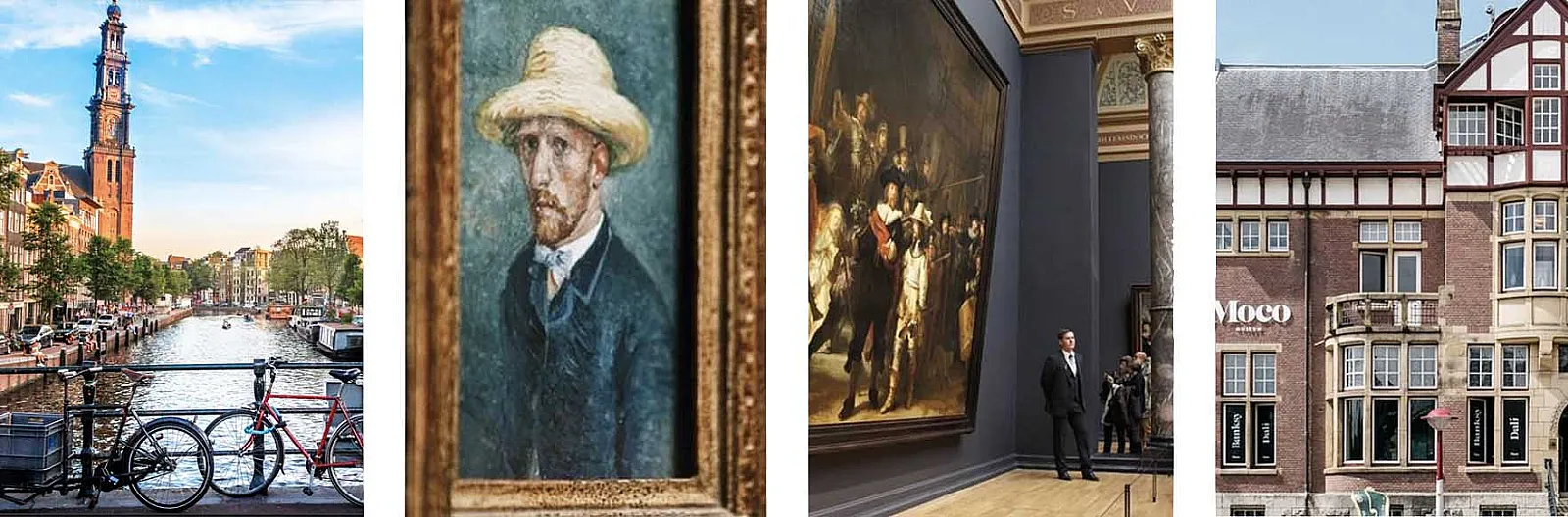
Amsterdam
Related Topics
Environmental decisions depend on where things happen: where pollution spreads, where habitats are under pressure, where water is scarce and where development should or should not go. Without spatial analysis, these decisions rest on incomplete pictures. This programme shows environmental professionals how to use GIS and remote sensing to monitor, assess and manage environmental issues.
 Dubai
Dubai 04 - 08 October 2026
Green building ratings are increasingly required by owners, authorities and investors, yet many projects treat them as a documentation exercise added late in design, which raises cost and weakens results. This programme explains the Global Sustainability Assessment System (GSAS), how its assessment categories and schemes work, and how to plan projects that meet their target rating efficiently.
Live Online04 - 08 October 2026To provide participants with the skills and knowledge required to design and manage surface water systems in urban environments, focusing on sustainability, flood prevention, and ecological balance, while addressing the challenges posed by urbanization and climate change.
Kuwait04 - 08 October 2026