
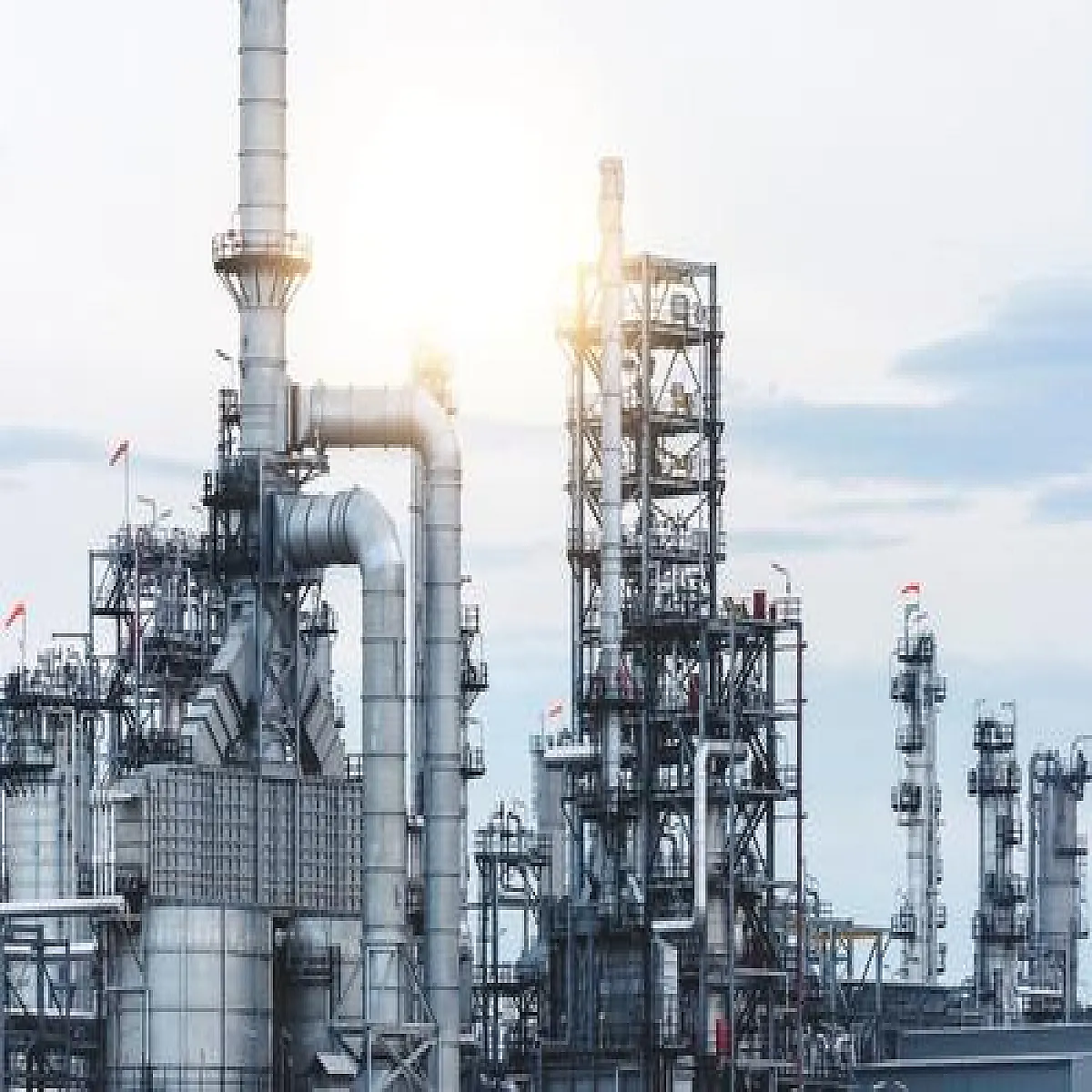
Environmental Management in Oil-Field Operations
Oil-field operations generate the environmental exposures regulators, partners and communities watch most closely: flaring and methane, produced water, drilling waste, spills and land disturbance. This programme gives field and HSE teams a practical system to identify, control, monitor and report these impacts across the asset life cycle, from drilling to decommissioning.
 19 - 23 April 2027
 Kuala Lumpur
 5 Days
 USD 4,500
Environmental performance in oil-field operations is often managed as a list of separate compliance tasks: a flare permit here, a waste manifest there, a produced water analysis sent to the laboratory. Problems appear at the joins. Flaring rises because gas handling capacity was never planned, produced water volumes grow faster than disposal options, drilling waste accumulates in pits, small leaks go undetected, and abandoned sites carry liabilities nobody costed. Methane and flaring are now also commercial and reputational issues, not only permit conditions.
This programme follows the life of a field. It starts with the environmental management system and the impact assessment commitments, then moves through air emissions and methane, produced water and drilling waste, spills and land, and finally monitoring, reporting and decommissioning. Each topic links technical options to supervision, cost and decision-making.
Built on recognised practice. The programme references ISO 14001, the IFC Environmental, Health and Safety Guidelines for Onshore Oil and Gas Development, the World Bank Zero Routine Flaring by 2030 initiative, the UNEP Oil and Gas Methane Partnership 2.0 (OGMP 2.0) reporting framework, Ipieca and IOGP good practice guidance, and IAEA guidance on naturally occurring radioactive material (NORM). They are used as practical reference points for field decisions.
Decisions this programme improves. Which emission sources to prioritise for reduction; when to invest in gas recovery rather than flare; which produced water and drilling waste options suit the field; how to set up leak detection and repair; how to respond to a spill and plan remediation; and what environmental data management needs to see each month.
How it is delivered. Twenty hours across five sessions, built around one running case: a mature onshore field with rising water cut, routine flaring and a legacy waste pit. Participants build an aspects and emissions inventory, compare water and waste options, design a leak detection and repair programme, respond to a spill scenario and draft a field environmental performance report.
In-house option. For organisations, the programme can be tailored to your own fields, permits, environmental management system and reporting templates, and delivered to operations, HSE and engineering teams together so that environmental choices are built into operating decisions.
Who Should Attend
Objectives
Course Outline
Competencies
Kuala Lumpur

Related Topics
Environmental decisions depend on where things happen: where pollution spreads, where habitats are under pressure, where water is scarce and where development should or should not go. Without spatial analysis, these decisions rest on incomplete pictures. This programme shows environmental professionals how to use GIS and remote sensing to monitor, assess and manage environmental issues.
 Amsterdam
 29 November 03 December 2026
The aim of this course is to provide participants with comprehensive knowledge and skills needed to effectively manage contracts within the oil and gas industry.
Kuala Lumpur30 November 04 December 2026Green building ratings are increasingly required by owners, authorities and investors, yet many projects treat them as a documentation exercise added late in design, which raises cost and weakens results. This programme explains the Global Sustainability Assessment System (GSAS), how its assessment categories and schemes work, and how to plan projects that meet their target rating efficiently.
Kuwait06 - 10 December 2026