

Leading Excellence with the EFQM Model
Excellence programmes stall when leaders treat them as a quality department project or an award exercise. This programme equips managers and senior leaders to use the EFQM Model 2025 as a leadership tool: to set direction, shape culture, engage stakeholders and drive transformation that shows up in results.
 19 - 23 April 2027
 Istanbul
 5 Days
 USD 4,500
Many organisations adopt the EFQM Model with strong intentions and then lose momentum. Leaders sponsor the assessment but do not change how they set strategy, allocate resources or review performance. Improvement projects multiply without clear priorities, staff see excellence as extra paperwork, and results do not move.
This programme takes the leader's view of the Model. It starts with purpose, vision and strategy, moves through culture and leadership behaviours, stakeholder engagement and value creation, then covers performance management and transformation, and finishes with how leaders use assessment findings to choose a small number of priorities and sustain them.
Built on recognised practice. The programme references the EFQM Model 2025 and its RADAR logic, and connects them with widely used management practice, including the balanced scorecard, ISO 9004 guidance on sustained organisational success and the UN Sustainable Development Goals. It is delivered independently and does not confer any EFQM status.
Decisions this programme improves. Which strategic priorities an excellence programme should serve, how leaders should model and reinforce the desired culture, which stakeholders to involve and how, which improvement initiatives to fund or stop, and how to read results to decide where to act next.
How it is delivered. Twenty hours across five sessions, built around one running case: a government entity preparing its next strategy cycle. Participants use a short leadership self-assessment and work through strategy, culture, stakeholder and results decisions for the case and for their own organisation.
In-house option. For organisations, the programme can be tailored to your strategy, excellence framework or national award model and your latest assessment findings, and delivered for a leadership team together to agree shared priorities.
Who Should Attend
Objectives
Course Outline
Competencies
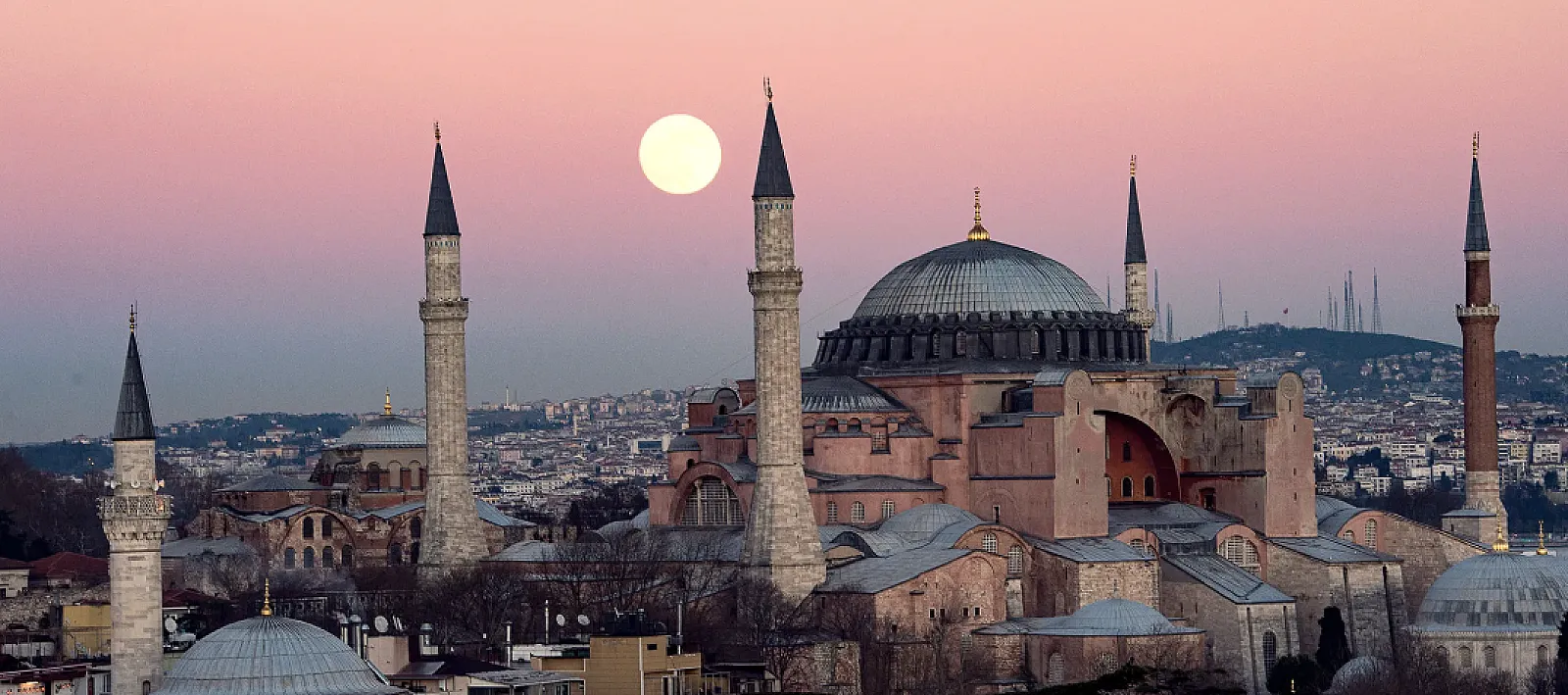
Istanbul
Related Topics
Road failures such as rutting, cracking and early potholes are usually traced back to materials, compaction and acceptance decisions made during construction. This programme gives road quality leaders a practical system to plan, test, accept and document quality from subgrade to surfacing, using statistical acceptance and field data rather than judgement alone.
 Kuala Lumpur
 22 - 26 November 2026
Defects in buildings are expensive to fix and damaging to reputation, yet most are designed in or built in long before handover. This programme gives quality leaders on owner, consultant and contractor teams a practical system to plan, inspect, test, record and close out quality on building projects, from quality plan to handover.
Dubai29 November 03 December 2026Economic development organisations are judged on jobs, investment and growth, yet many are managed on activity counts, unclear mandates and fragmented stakeholder relationships. This programme gives leaders of investment promotion agencies, development authorities and similar bodies a practical approach to strategy, governance, stakeholder engagement and results-based management.
Sharm Al Sheikh06 - 10 December 2026