

Leading Organizational Excellence
This course aims to develop participants’ ability to lead organizational excellence by aligning strategy, people, processes, performance, innovation, customer value, digital transformation and continuous improvement into an integrated management approach that delivers sustainable results.
 26 - 30 April 2027
 Amsterdam
 5 Days
 USD 5,500
Organizational excellence today requires more than compliance with quality standards or isolated improvement initiatives. Modern organizations need leaders who can build a culture of excellence, improve performance, enhance customer and stakeholder value, use data and digital tools, lead innovation, manage change and create sustainable impact.
This course provides a practical and updated approach to leading organizational excellence. It focuses on excellence frameworks, strategic alignment, performance management, process improvement, leadership practices, customer experience, innovation, digital enablement, people engagement, sustainability and governance.
Participants will learn how to assess organizational maturity, identify performance gaps, lead excellence initiatives, strengthen accountability, use KPIs and dashboards, and build a culture of continuous improvement across departments and teams.
Who Should Attend
Objectives
Course Outline
Competencies
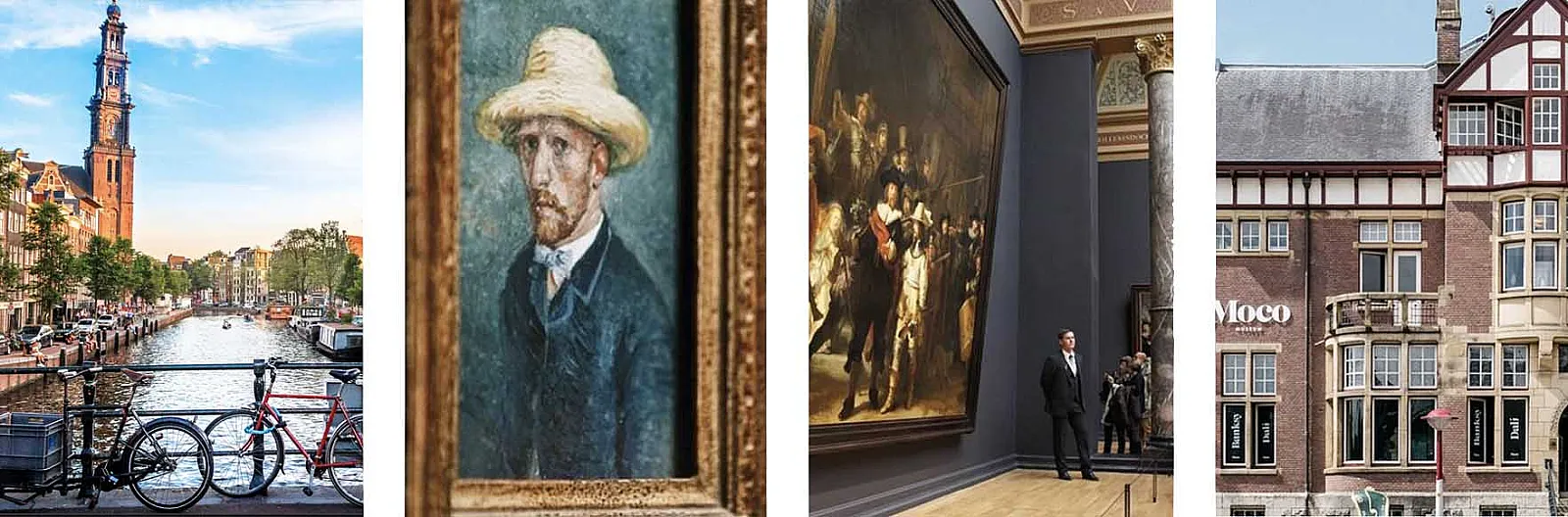
Amsterdam
Related Topics
Road failures such as rutting, cracking and early potholes are usually traced back to materials, compaction and acceptance decisions made during construction. This programme gives road quality leaders a practical system to plan, test, accept and document quality from subgrade to surfacing, using statistical acceptance and field data rather than judgement alone.
 Kuala Lumpur
 22 - 26 November 2026
Defects in buildings are expensive to fix and damaging to reputation, yet most are designed in or built in long before handover. This programme gives quality leaders on owner, consultant and contractor teams a practical system to plan, inspect, test, record and close out quality on building projects, from quality plan to handover.
Dubai29 November 03 December 2026Economic development organisations are judged on jobs, investment and growth, yet many are managed on activity counts, unclear mandates and fragmented stakeholder relationships. This programme gives leaders of investment promotion agencies, development authorities and similar bodies a practical approach to strategy, governance, stakeholder engagement and results-based management.
Sharm Al Sheikh06 - 10 December 2026