

Project Management for Middle Level Managers
Middle managers are often asked to deliver projects alongside their normal operational duties, with no formal authority over the people involved and little project training. This programme gives them a practical, end-to-end method to define, plan, lead, control and close projects, and to work confidently with sponsors, teams and other departments.
 29 November 10 December 2026
 Amsterdam
 12 Days
 USD 9,800
In many organisations, projects are run by line managers who were promoted for technical or operational competence. They inherit an objective, a deadline and a team borrowed from other departments, but not a clear scope, a realistic plan or agreed decision rights. Work starts before the sponsor has confirmed what success means, estimates are optimistic, risks are discussed but not managed, and progress is reported as activity rather than results. When problems appear, the manager is caught between the sponsor's expectations and the operational demands of the team's own departments.
This programme follows the life of a project from the business need to handover. It moves through five stages: defining the project and agreeing roles with the sponsor, building a plan for scope, time, cost and resources, managing risk, quality and stakeholders, leading and controlling delivery, and closing the project so that benefits are handed over and lessons are kept. The emphasis is on the manager's practical choices, not on theory or terminology.
Built on recognised practice. The programme references the principles and performance domains of the PMI PMBOK Guide, the guidance on project management in ISO 21502, the process model and management products of PRINCE2, and the risk management principles of ISO 31000. Participants learn how these approaches fit together and how to use them proportionately on the size of project a middle manager typically leads.
Decisions this programme improves. Whether a request is ready to start as a project; what to agree with the sponsor before committing to dates; how much planning detail is enough; when to choose a predictive, agile or hybrid approach; which risks to escalate; how to negotiate for resources with other line managers; and when a change in scope, time or cost needs formal approval.
How it is delivered. Twenty hours across five sessions, built around one running case: an internal improvement project, such as a service digitisation or process redesign, led by a department manager with a cross-functional team. Participants produce a project charter, a work breakdown structure, a schedule and budget, a risk register, a stakeholder and communication plan and a one-page status report.
In-house option. For organisations, the programme can be tailored to your own project governance, approval gates, templates and reporting tools, and delivered to managers from several departments together so that they share one method and one language for projects.
Who Should Attend
Objectives
Course Outline
Competencies
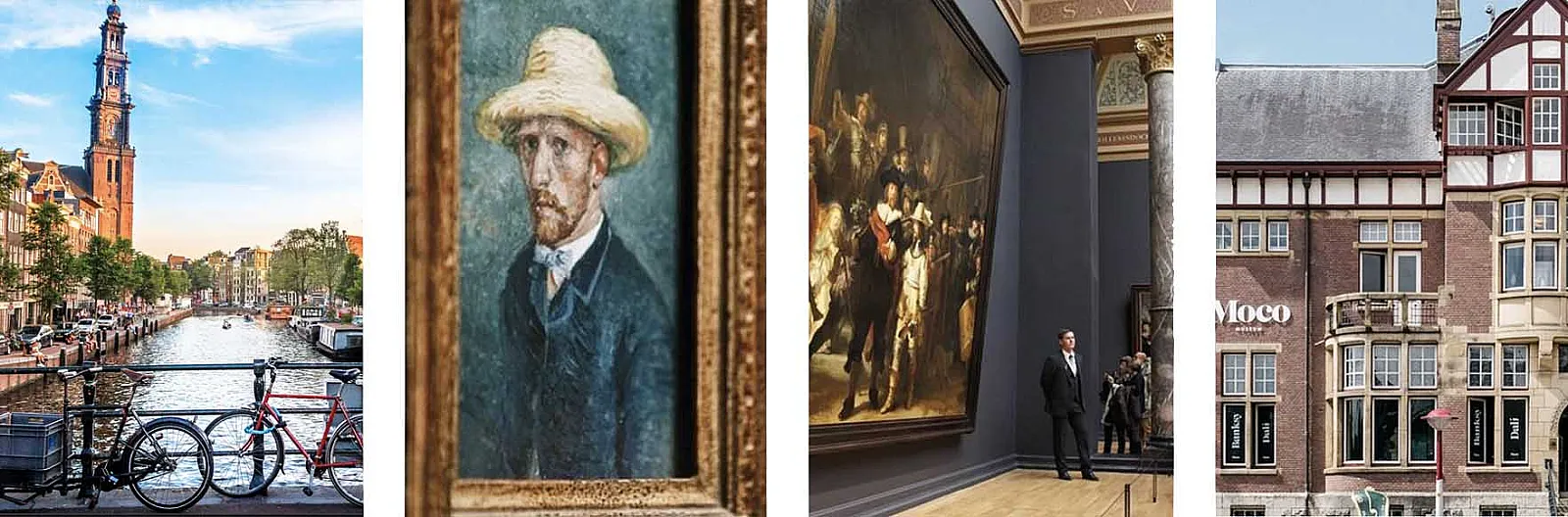
Amsterdam
Related Topics
The program aims to equip participants with the knowledge and tools necessary to effectively apply value engineering principles and cost control measures to optimize efficiency and profitability.
 London
 22 - 26 November 2026
This course is designed to enhance participants' understanding and skills in managing project stakeholders effectively, fostering positive engagement, and facilitating successful project outcomes.
Casablanca23 - 27 November 2026To provide participants with essential and intermediate skills in Agile project management, enabling them to effectively manage projects with Agile methodologies and foster a culture of continuous improvement and collaboration.
Dubai24 - 28 November 2026