

Promotional and Relationship Marketing Strategy
Winning a new customer usually costs far more than keeping an existing one, yet many marketing budgets still go mostly on short-term promotions. This programme shows marketing professionals how to plan integrated promotional campaigns and relationship strategies that work together to attract, retain and grow valuable customers, and how to measure the results.
 12 - 16 July 2027
 Istanbul
 5 Days
 USD 4,500
Many organisations run promotions and loyalty activities as separate efforts. Campaigns chase short-term sales with discounts that train customers to wait for the next offer, while customer data sits in different systems and is rarely used to understand who the valuable customers are. Loyalty programmes reward transactions rather than relationships, messages are inconsistent across channels, and results are reported as reach or clicks rather than revenue, retention or customer value.
This programme connects promotional and relationship marketing into one strategy. It moves through five stages: understanding customers and their value, planning integrated marketing communications, designing promotional campaigns and offers, building relationship and loyalty strategies, and measuring return on marketing and customer value over time.
Built on recognised practice. The programme draws on established marketing frameworks including segmentation, targeting and positioning, integrated marketing communications, the customer journey, customer lifetime value, RFM analysis and relationship marketing theory. It references the ICC Advertising and Marketing Communications Code for responsible promotion, and the principles of data protection laws, such as the EU GDPR and national personal data protection laws in the region, for the use of customer data.
Decisions this programme improves. Which customer segments to invest in; how to divide the budget between acquisition and retention; when a price promotion helps and when it erodes brand value; which channels to use for each objective; how to design a loyalty programme that changes behaviour; and which measures show whether marketing is creating value.
How it is delivered. Twenty hours across five sessions, built around one running case: a service or retail brand that is losing customers to competitors despite frequent promotions. Participants segment a sample customer base, build a campaign plan and content calendar, design an offer and a loyalty mechanism, and prepare a measurement plan with retention and lifetime value indicators.
In-house option. For organisations, the programme can be tailored to your own customers, products, channels and data, and delivered to marketing, sales and customer service teams together.
Who Should Attend
Objectives
Course Outline
Competencies
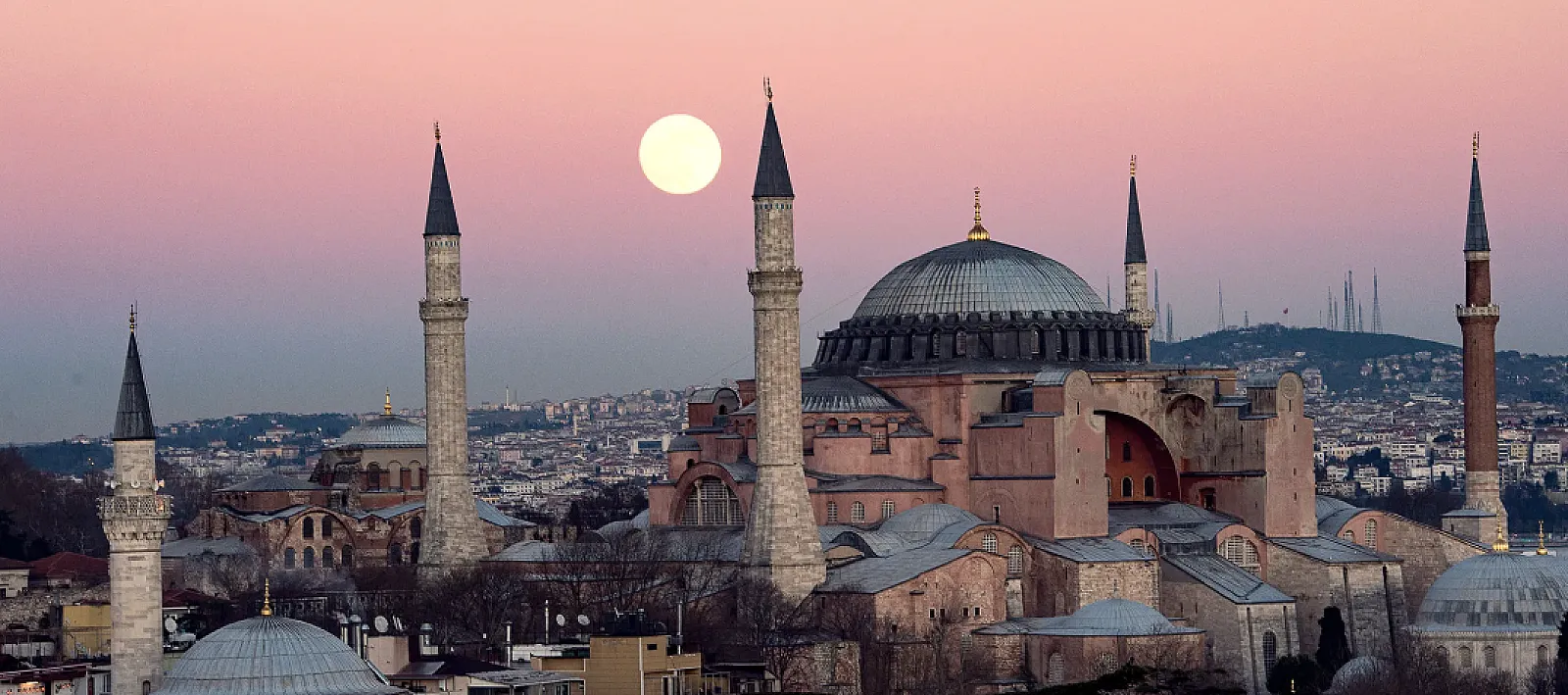
Istanbul
Related Topics
Sales and marketing budgets are often set by last year's figure plus a percentage, and forecasts are defended by opinion rather than evidence. This programme gives commercial and finance professionals practical methods to build sales forecasts, plan and allocate sales and marketing spend, model the return on commercial decisions and explain the numbers to senior management.
 London
 15 - 19 November 2026
This advanced-level course aims to equip participants with a deep understanding of marketing and communication strategies to drive business success and deliver exceptional results.
Casablanca22 - 26 November 2026Exhibitions are expensive, yet many organisations book a stand, send whoever is available and return with a pile of business cards and no measurable result. This programme gives marketing, business development and events teams a practical method to decide which shows to attend, set measurable objectives, run an effective stand and convert contacts into business.
Live Online29 November 03 December 2026