

Strategy and Business Modeling
Many organisations still compete with business models designed for markets that have changed, while new models built on digital platforms, services and partnerships reshape their sector. This programme gives managers practical tools to analyse the current business model, design and test alternatives, and connect business model choices to strategy and execution.
 07 - 11 June 2027
 Amsterdam
 5 Days
 USD 5,500
Strategy discussions often focus on targets and initiatives without examining how the organisation actually creates, delivers and captures value. When competitors, technologies or customer needs change, the existing model loses strength slowly, and by the time revenues fall the options are limited. At the same time, new business model ideas are often approved on enthusiasm and a slide, without testing the assumptions that decide whether they will work.
This programme links strategy and business modelling in one practical process. It moves through five stages: understanding the business model and its context, analysing the competitive environment, designing alternative business models, testing and validating them with evidence, and turning the chosen model into an action plan that the organisation can execute.
Built on recognised practice. The programme uses widely recognised strategy and design tools, including the Business Model Canvas and Value Proposition Canvas, Porter's five forces, jobs-to-be-done thinking, Blue Ocean strategy concepts, the three horizons model and lean experimentation methods. They are applied to real cases so that participants build a shared language for strategy across disciplines.
Decisions this programme improves. Whether the current business model can be improved or needs to change; which new models to explore; which assumptions must be tested before investment; how to balance the core business with new ventures; and how to allocate resources and partnerships to support the chosen model.
How it is delivered. Twenty hours across five sessions, built around one running case: an established organisation facing new digital and service-based competitors. Participants map the current model, design two alternatives, build a test plan and prepare a short recommendation for leadership.
In-house option. For organisations, the programme can be tailored to your own business units, markets and strategic questions, and delivered for cross-functional teams so that participants work on real business model challenges.
Who Should Attend
Objectives
Course Outline
Competencies
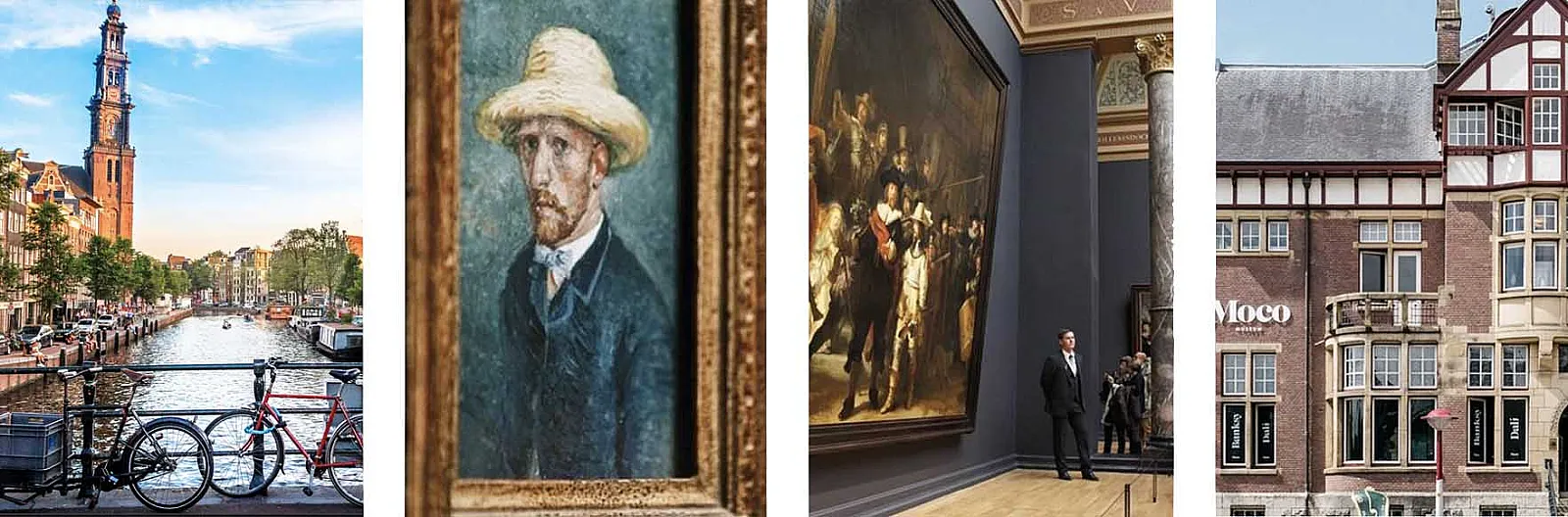
Amsterdam
Related Topics
Economic development organisations are judged on jobs, investment and growth, yet many are managed on activity counts, unclear mandates and fragmented stakeholder relationships. This programme gives leaders of investment promotion agencies, development authorities and similar bodies a practical approach to strategy, governance, stakeholder engagement and results-based management.
 Rome
 22 - 26 November 2026
Process redesign often fails not because the new process is wrong, but because people keep working the old way, systems are not aligned, and no one owns the benefits. This programme gives managers an integrated approach to redesigning business processes and leading the people side of change, so that improvements are adopted, sustained and deliver measurable results.
Dubai29 November 03 December 2026Enable leaders to build entrepreneurial mindsets, lead change with confidence, and turn ideas into scalable innovations that create measurable business value.
Kuala Lumpur30 November 04 December 2026